
Samsung Galaxy Z Fold7 vs. Google Pixel Fold 3
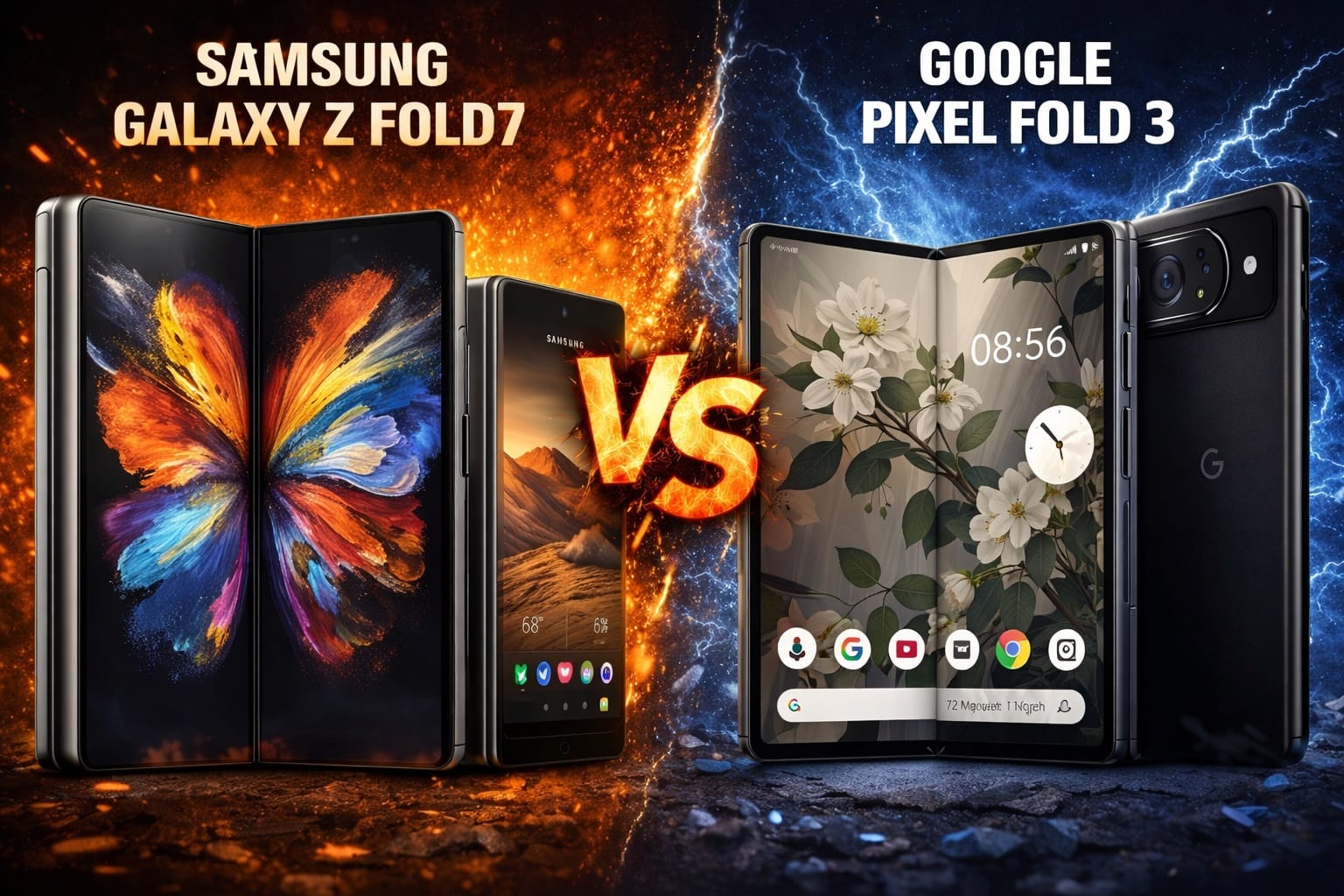
The premium foldable market heats up as two titans, Samsung and Google, battle for the top spot. The Samsung Galaxy Z Fold7, building on a legacy of refinement, goes head-to-head with the anticipated Google Pixel Fold 3, which promises Google’s unmatched AI prowess and camera magic in a foldable format.
Choosing between these expensive and innovative devices depends on whether you prioritize Samsung’s hardware maturity and ecosystem or Google’s unique software experience and potentially better camera performance.
Quick Comparison Chart: Z Fold7 vs. Pixel Fold 3
|
Feature |
Samsung Galaxy Z Fold7 |
Google Pixel Fold 3 (Anticipated) |
|
Processor |
Snapdragon 8 Elite for Galaxy |
Next-Gen Google Tensor G4/G5 Chip |
|
Main (Inner) Display |
8.0-inch QXGA Dynamic AMOLED 2X |
7.9-inch OLED (Ultra Thin Glass) |
|
Cover Display |
6.5-inch Dynamic AMOLED 2X |
6.4-inch OLED (Wider Aspect Ratio) |
|
Rear Cameras |
Triple: 200MP Main + 12MP UW + 10MP Telephoto (3x optical) |
Triple: Pixel-grade sensors (incl. telephoto) |
|
S Pen Support |
Yes (Built-in slot anticipated) |
No S Pen support |
|
Software |
One UI 7 (Multitasking focus) |
Pure Android (AI & Camera focus) |
|
Durability |
IP48 Water/Dust Resistance |
IPX8 Water Resistance (Est.) |
|
Form Factor |
Taller, narrower cover screen |
Shorter, wider cover screen |
Design, Hinge, and Form Factor
The most immediate difference is the shape. The Galaxy Z Fold7 maintains a taller, narrower cover screen that feels like a standard candy-bar phone when closed. It unfolds into a near-square tablet display, optimized for multitasking with multi-window views and S Pen use.
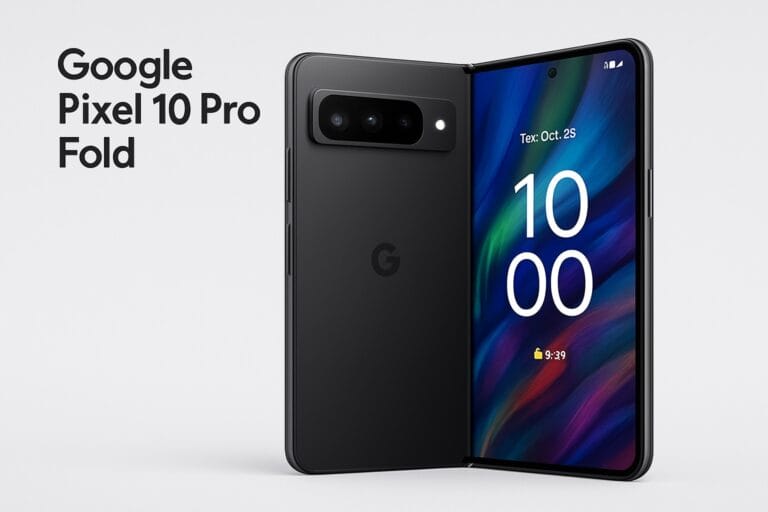
The Google Pixel Fold 3 is expected to keep the wider, shorter form factor of its predecessors. This design makes the cover screen feel more like a traditional phone (easier for typing) and the inner screen better suited for media consumption (like watching videos without massive black bars). Google’s hinge design is typically robust and folds flatter than Samsung’s previous generations, though Samsung has closed that gap.
Performance & Software
The Galaxy Z Fold7 typically runs on a highly optimized Snapdragon 8 Elite for Galaxy chipset, offering incredible raw power for heavy gaming and multitasking. Its One UI software is the gold standard for using a large screen, with robust drag-and-drop features and a taskbar.
The Google Pixel Fold 3 relies on the next-gen Google Tensor chip, which might lag slightly in raw benchmarks but excels in AI-driven experiences. Google’s software is cleaner, offers faster updates, and integrates AI features for smarter interactions, language translation, and superior photo editing tools.
Cameras: Versatility vs. Computational Magic
The Z Fold7 packs impressive hardware with a 200MP main sensor and a 3x optical zoom telephoto lens. It’s a highly capable, versatile system that delivers flagship-level photos and video.
The Pixel Fold 3 is expected to leverage Google’s famous computational photography. While its sensor specifications might look numerically lower than Samsung’s, Google’s AI-powered processing often produces arguably better, more natural-looking results in a simple point-and-shoot manner. For sheer simplicity and consistent quality, many prefer the Pixel camera experience.
Our Verdict: Which Foldable is For You?
- Choose the Samsung Galaxy Z Fold7 if: You need the ultimate productivity device. The S Pen support, sophisticated multitasking software, and powerful Snapdragon processor make it a workhorse capable of replacing a tablet and a laptop in certain use cases.
- Choose the Google Pixel Fold 3 if: You prioritize the best point-and-shoot camera experience available, a cleaner software interface with immediate updates, and a wider form factor that makes the cover screen more usable as a standard phone.
Leave a Reply